Whoa! Seriously? Okay, so check this out—I’ve been juggling wallets for years now, and somethin’ about the whole user experience bugs me. My first impression was simple: wallets should get out of the way. But then reality hit, and I realized user habits, security tradeoffs, and cross-device friction matter a lot more than I expected. On one hand, convenience pulls you toward custodial apps; on the other hand there’s that nagging pride in owning your keys, and actually that matters.
Hmm… I’ve used desktop extensions, mobile apps, and hardware combos. Initially I thought extensions were just quick shortcuts, but then I noticed that they shape habits in subtle ways. Short-term convenience often becomes long-term risk if seed handling is sloppy. So I started treating each wallet like a living thing—preferences, backup rituals, and occasional weird hiccups. I’m biased toward tools that are flexible across platforms without stuffing my keys into someone else’s vault.
Really? Most people don’t back up their seed phrases properly. They scribble them down, or stash screenshots, or trust cloud notes that are very very tempting to hackers. My instinct said: stop. Actually, wait—let me rephrase that: stop and treat your seed like cash in a safe. Use a non-custodial setup and you’ll keep control. Though, of course, control comes with responsibility.
Here’s what bugs me about some wallets. They claim “secure” but lock you into one ecosystem. They hide fees behind confusing UX. They treat cross-chain swaps like magic, without explaining slippage or order routing. I’m not 100% sure about every detail, but the pattern is clear—ease-of-use is often sold at the cost of transparency. That tension matters if you’re managing both bitcoin and ethereum assets.
Whoa! I learned a lot by testing practical workflows. I used a desktop extension during work, a phone app on commutes, and a hardware device for high-value holdings. At first I thought that juggling all three would be painful, though actually it grew into a disciplined routine that reduced mistakes. I still slip up sometimes—trailing thoughts about backups linger—but overall the setup becomes second nature.
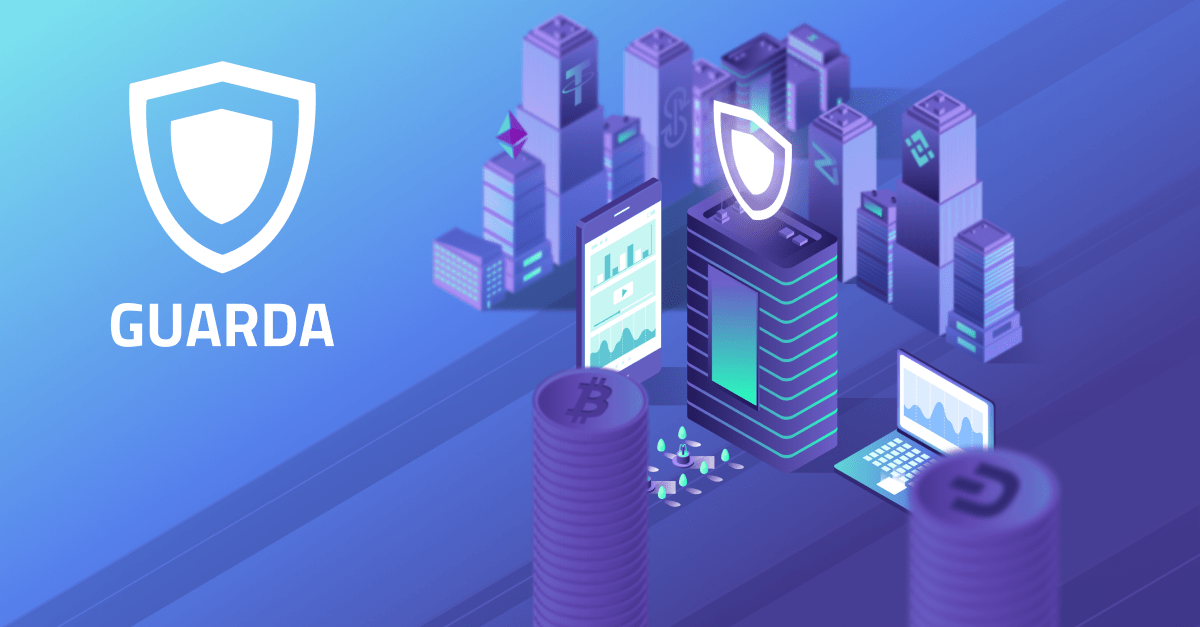
A realistic look: Bitcoin wallet vs Ethereum wallet
Short answer: they behave differently. Bitcoin is conservative, slow to change, and largely about custody and simple transfers. Ethereum, by contrast, is an application platform where wallets become gateways into DeFi, NFTs, and smart contracts. Those differences affect how you choose a wallet. A bitcoin wallet needs rock-solid transaction signing and reliable fee estimation. An ethereum wallet should also handle contract approvals and token standards with user-friendly prompts, otherwise you’ll make mistakes that cost gas.
Wow! The complexity ramps up when you want to use both. You need a wallet that can handle on-chain UTXOs and account-model signing without confusing the user. Some wallet vendors prioritize one chain and bolt other support on later, which often leaves UX gaps. My experience taught me to prefer multi-platform projects that design around both models from the start. That reduces surprises—and trust me, fewer surprises is a good thing.
Initially I thought a single app couldn’t do both well, but then I found examples that balanced features and simplicity. On the mobile side, push-notifications and QR scanning matter. On desktop, extension-connected dapps must show clear transaction details. When these pieces align, the experience becomes seamless across devices. I still keep a hardware fallback for large transfers though—call me old-fashioned.
Seriously? You should check transaction previews. Always. If you’re approving a contract, read the permission scope. Many users approve unlimited allowances and later regret it. That part of the ecosystem isn’t going away, and wallets that surface that information clearly reduce losses. It’s a simple habit, but it takes the right UI to form.
Why non-custodial matters to me
I’m going to be blunt: custody equals counterparty risk. If someone else holds your keys, they can freeze or lose access to your funds. That is just math and policy blended together. I’m biased, but I’ll always pick non-custodial for long-term holdings. It forces you into responsibility, yes, but it also aligns with the ethos of crypto ownership.
My instinct said that non-custodial solutions would be harder to use, but that’s changed. Modern wallets let you manage keys across devices, integrate hardware signers, and even offer built-in swaps without custody. Initially I thought integrated swaps implied custodial flows, but actually many wallets use non-custodial on-chain or atomic-swap routes, which preserves user control while improving convenience.
Here’s the thing. Non-custodial doesn’t mean you get no help. It means the app helps you manage risk without holding your funds. Good wallets guide you through seed backups, let you export keys, and offer recovery tools like encrypted backups. Those features make the non-custodial model accessible to real people—parents, artists, and developers—without needing a PhD in cryptography.
Whoa! One practical tip: split your backups. Keep one copy offline and another in a secure, different place. Sounds obvious, but folks often keep everything in the same drawer. Don’t do that. Also consider a metal backup if you store significant value long-term.
Where Guarda fits into this picture
Okay, so check this out—I’ve used the Guarda app across devices and I like how it balances multi-chain support with non-custodial control. It runs as a mobile app, a desktop app, and as a browser extension, which makes switching contexts painless. The interface keeps things readable, and it supports both bitcoin and ethereum operations without forcing you to learn separate products for each chain. For folks who want a single place to manage assets and some DeFi interactions, that’s a real time-saver.
I should mention the download link here in case you want to try it yourself. guarda wallet integrates multiple chains and offers in-app swaps, staking, and hardware wallet compatibility, which helped me streamline a lot of small tasks. There’s a learning curve, sure, but the documentation and UI tooltips are helpful, and the design avoids overwhelm.
Hmm… not everything is perfect. Sometimes token detection can be slow for less common ERC-20 tokens, and fees for instant swaps can spike during congestion. I’m not 100% sure every backend route is optimized, but the practical experience of moving funds, connecting a Ledger, and managing approvals was solid. If you’re technical you can verify transactions and confirmations yourself, and if you’re less technical the app still guides you through the essentials.
On the topic of security, Guarda is non-custodial; keys are generated and stored client-side, and that lets users pair hardware devices for extra safety. That architecture matters more than flashy marketing lines about “bank-grade ” protections, which often hide central custody. I’m cautious, but I like that the app gives you control.
FAQ — quick, human answers
Do I need a hardware wallet if I use a multi-platform app?
Short version: not strictly. Long version: for small daily amounts, a well-designed mobile or desktop app is fine. For significant holdings, pair the app with a hardware signer—it’s worth the extra setup complexity. My gut told me to do this early, and it saved me worry later.
How do bitcoin and ethereum fees differ in practical terms?
Bitcoin fees are typically about block space and depend heavily on mempool congestion; fee estimation is simpler but conservative. Ethereum fees are gas-based, tied to execution complexity and network demand, and they can vary wildly during DeFi activity. Plan for variability, and check fee suggestions before confirming big transfers.
Is Guarda safe for beginners?
Yes, for people who follow basic security practices. The app is non-custodial and offers standard safety features. If you’re unsure, start small and learn the UI—practice sending tiny amounts until you’re comfortable. Also, back up your seed phrase where you actually can find it later…
I’ll be honest: wallets won’t fix every problem in crypto. Scams evolve, UX mistakes happen, and people make bad choices. But choosing a solid multi-platform, non-custodial wallet reduces several major risks. It lets you interact with dapps, manage bitcoin UTXOs, and move across devices without giving away control. That tradeoff—control for responsibility—is why I stick with this approach.
Something felt off about the “set-and-forget” mentality lots of users adopt. It sounds easy, but your return to reality often involves lost seeds or unknown allowances. So create small rituals: daily balance check, weekly backups inspect, and hardware confirmations for high-value transactions. Those tiny routines build resilience.
My final nudge: start with a plan. Decide where to keep small spending funds versus long-term stores. Use a non-custodial multi-platform wallet for flexibility, pair it with a hardware device for big holdings, and document your recovery plan. It’s basic, yet uncommon. Do it and you’ll sleep better.
And yeah, I’m not perfect at this either. I still forget to revoke an old allowance sometimes, and I once mis-typed an address during a sleepy midnight transfer—lesson learned. But the workflow I described keeps me mostly out of trouble, and it will probably help you too.